
The Master and the Servant
Csongor és TündeThis flow examines how Csongor and Balga’s unequal but durable partnership supports both the heroic quest and its comic counterpoint.
increasing Bearing strength in each event
 decreasing
Bearing strength in each eventdecreasingAn Unexpected Companion
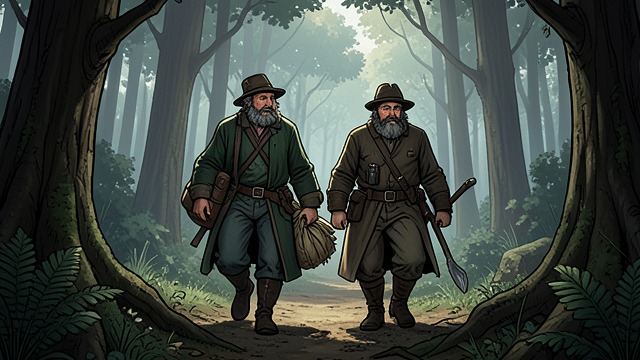
An Unexpected Companion
A chance encounter
Csongor meets Balga just after the three worldly travelers fail to guide him. Balga’s practical complaints contrast with the abstract questions that have occupied Csongor.
A useful difference
Csongor invites him along, recognizing that a companion may matter more than a perfect guide. Their partnership begins through necessity but gains strength from the contrast between idealism and common sense.
The Footprint Debate
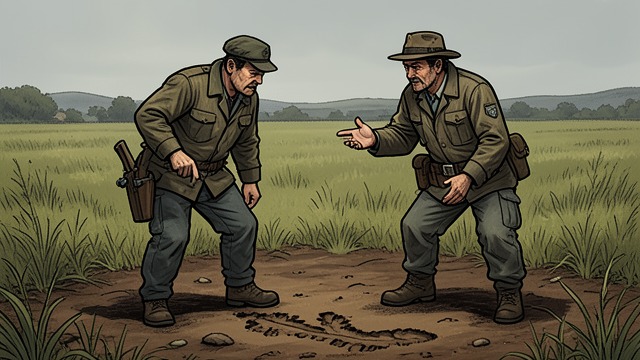
The Footprint Debate
Romance and realism
Csongor reads a delicate footprint as evidence of Tünde’s beauty and presence. Balga counters with practical images drawn from animals, fields, and the body.
Affection without agreement
Their disagreement becomes a recurring comic rhythm rather than a reason to part. Balga can accompany Csongor without adopting the same idealized language or emotional interpretation.
The Abandoned Servant
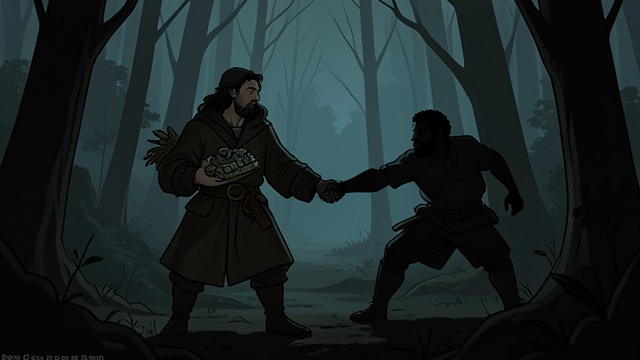
The Abandoned Servant
The burden of the plan
Csongor takes the magical objects and leaves Balga to deal with the returning little devils. Balga is struck and dragged away, exposing the imbalance built into their master-servant relationship.
Loyalty amid complaint
Balga does not respond by abandoning the quest. His willingness to return after suffering gives the partnership an emotional weight that Csongor’s lofty declarations sometimes overlook.
The False Accusation
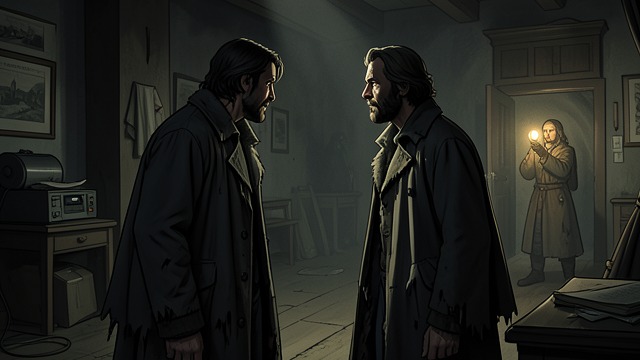
The False Accusation
Mistaken identity
Csongor encounters Kurrah disguised as Balga and believes his real servant has betrayed him. He threatens the person he trusts because Mirígy has made familiarity unreliable.
Recognition restored
The appearance of the real Balga and the magical gear exposes the deception. Their exchange reveals how quickly fear can damage trust and how essential recognition is to their continued partnership.
Companions at the End
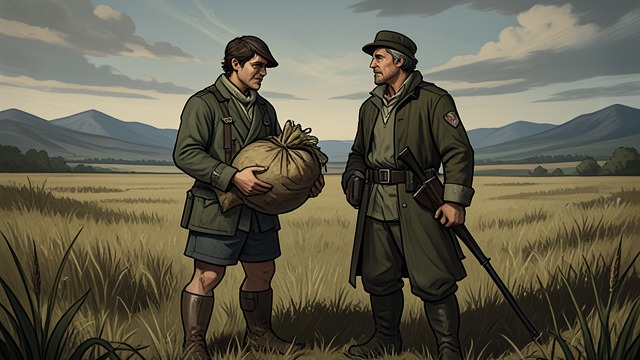
Companions at the End
Separate reunions
Csongor finds Tünde, while Balga finds Ilma. The paired outcomes place the master and servant within parallel stories of attachment.
A comic household
Balga’s complaints and embraces remain part of the restored social world around the lovers. Their relationship has survived mistaken identity, violence, and repeated delay, even though its form remains playfully unequal.
At the first meeting after the crossroads
During their first search for Tünde’s trail
When Csongor takes the devils’ equipment
After Balga escapes the stable
Near the ending after Csongor’s reunion with Tünde
